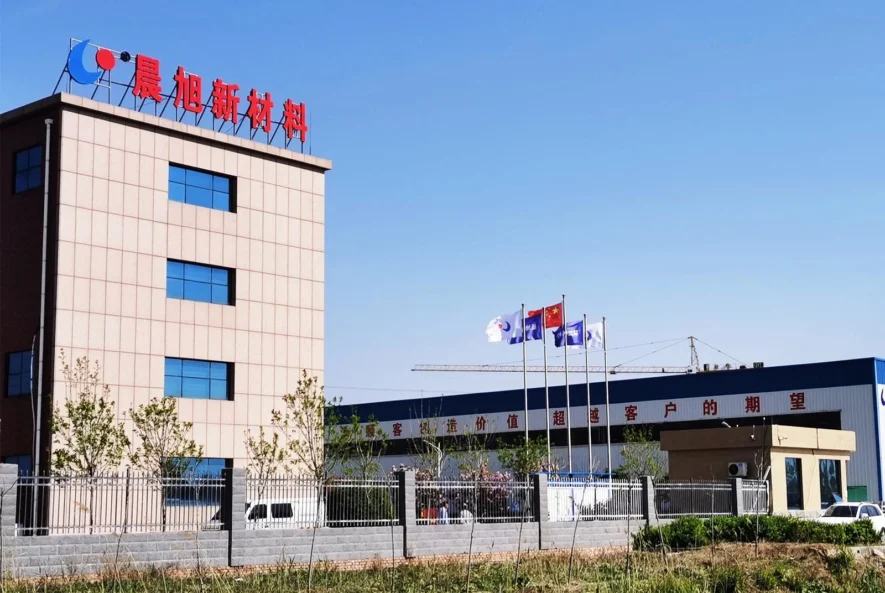
Shandong Chenxu New Materials Co., Ltd. is a modern and specialized flame-retardant enterprise that integrates production, sales, and research & development. The company owns a wholly owned subsidiary—Jinan Chenxu Chemical Co., Ltd.—and operates a dedicated production base. It mainly produces two major series with over a dozen types of products: flame retardants and flame-retardant electronic potting compounds.
The company’s main products include flame retardants, antimony trioxide, zinc borate, ammonium polyphosphate, TCEP flame retardant, aluminum hydroxide, magnesium hydroxide, chlorinated paraffin, and more. These products are widely used in various fields such as engineering plastics, rubber hoses and belts, coatings, plastic films, cable materials, electronic and electrical components, smart control boards, and water treatment.
The mechanism of flame retardants is relatively complex and not yet fully understood. Generally, it is believed that when halogen-containing compounds are exposed to heat or flame, they decompose and release halogen ions, which react with polymer compounds to produce hydrogen halides. Flame retardants function through several mechanisms, such as heat absorption, protective coating formation, inhibition of chain reactions, and dilution of combustible gases by non-flammable gases. Most flame retardants achieve their flame-retardant effect through a combination of these mechanisms.
The amount of heat released during combustion within a short period is limited. If part of the heat generated by the fire source can be absorbed in a short time, the flame temperature will decrease. Consequently, the radiant heat acting on the combustion surface and the energy required to break down vaporized combustible molecules into free radicals will be reduced, thereby suppressing the combustion reaction to a certain extent.
Under high-temperature conditions, flame retardants undergo strong endothermic reactions, absorbing part of the heat released during combustion, lowering the surface temperature of the combustible material, effectively suppressing the generation of flammable gases, and preventing the spread of fire. The flame-retardant mechanism of aluminum hydroxide (Al(OH)₃), for instance, works by increasing the heat capacity of the polymer, allowing it to absorb more heat before reaching its decomposition temperature, thus enhancing its flame-retardant performance. These types of flame retardants fully utilize their endothermic water release properties to improve their flame-retardant effectiveness.