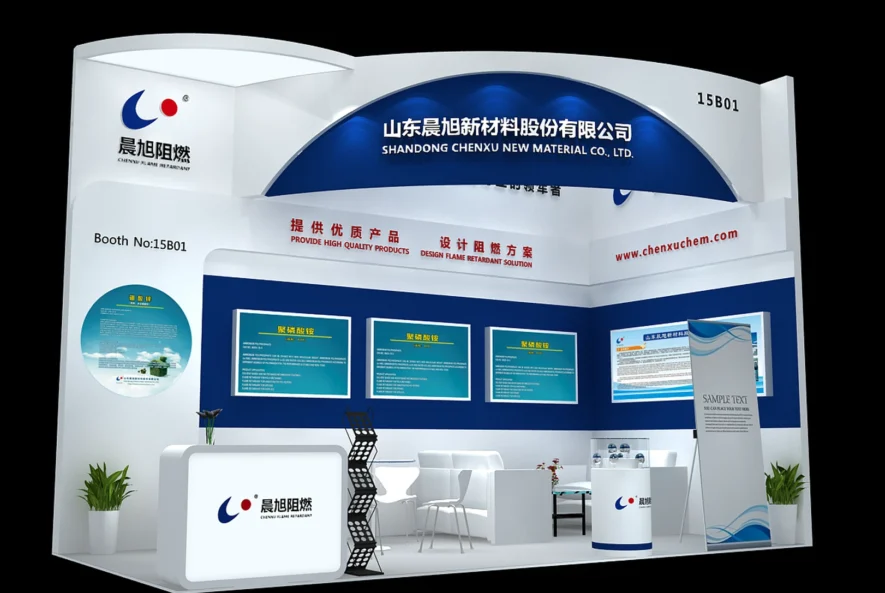
In recent years, with the increase in plastic production and the improvement of safety standards, the use of flame-retardant materials has become increasingly widespread. Generally, flame-retardant materials can be divided into organic and inorganic types. Organic flame retardants are mainly halogen-based additives, while inorganic ones not only provide certain flame-retardant effects but also produce HCl, which helps prevent smoke formation. Moreover, inorganic flame retardants are non-toxic, non-corrosive, and inexpensive. In countries such as the United States and Japan, inorganic flame retardants account for more than 60% of total consumption, whereas in China, their usage is less than 10%.
There are many types of TCPP flame retardants, and if used improperly, some of them may cause safety issues. Therefore, it is important to use them correctly and follow safety precautions. The following are some key points to note when using TCPP flame retardants:
- Soak the material to be treated in the liquid flame retardant, then dry it by sunlight, oven, or air drying.
- If the material absorbs a large amount of water, use a dehydrator or squeeze it by hand after soaking, and then dry it under the sun, in an oven, or in open air.
- The spray method can also be used. Spray both sides of the material evenly and repeatedly with a spray bottle until it is fully saturated.
- The amount of liquid flame retardant is usually 15–35% of the material’s weight. After treatment, the material’s flame-retardant performance can meet the national B1 flame-retardant standard.
During the use of TCPP flame retardants, incorrect handling may lead to safety risks. How can we protect ourselves? The following are recommended safety measures:
- Conduct toxicity assessments for flame retardants suspected of being harmful to human chemical safety and the environment. Strictly control their production, usage, and acceptance. If confirmed unsuitable for use, immediately stop production and sales. For example, tris(2,3-dibromopropyl) phosphate was once a widely used and effective halogen-free flame retardant, but was later found to be carcinogenic and has since been banned in many countries. Similarly, harmful TCPP-related flame retardants such as pentabromodiphenyl ether (PentaBDE) and octabromodiphenyl ether (OctaBDE) have also been prohibited.
- For newly developed products, their impact on human chemical safety, safety, and the environment should be thoroughly studied and evaluated to ensure safe production and use. On one hand, efforts are being made to improve the safety level of existing flame retardants and related materials; on the other, researchers are focusing on developing new environmentally friendly flame retardants and promoting their use. For example, halogen-free flame-retardant polypropylene now accounts for about 20% of the total flame-retardant polypropylene globally. The development of such new products will not only reduce fire risks but also minimize environmental impact.